Committed to Transforming Breast Cancer Outcomes Globally
Our Story and Core Mission
OncoEquity Global Health AI was founded on a deeply personal conviction: that where you are born, who you are, and what you have access to should never determine your chances of surviving cancer.
Growing up in West Africa, Nigeria, I witnessed firsthand the realities of healthcare systems in developing regions. Access to quality care was often limited, early diagnosis was not always possible, and many people relied on under-resourced medical infrastructure. Preventative healthcare was not always prioritised, and for many families, serious illnesses such as cancer were not just a health crisis, but a financial and emotional one. These early observations shaped my understanding of inequality, not just in terms of wealth, but in terms of access, opportunity, and survival.
This perspective was further developed through my academic background in International Relations and Politics, where I explored how governance systems, public policy, and institutional structures influence real-world outcomes. I began to understand that disparities in healthcare are not random; they are deeply connected to political decisions, economic priorities, and global inequalities.
At the same time, cancer, particularly breast cancer, became something more personal. Seeing how it affected people close to me brought a different level of clarity. It was no longer just something studied in reports or statistics. It became real. It became urgent. I saw how late diagnosis, lack of awareness, and unequal access to care could change lives. And I began to question why these disparities continue to exist in a world with so much data, technology, and medical advancement.
OncoEquity Global Health AI was created at the intersection of these experiences.
It is an initiative focused on understanding and addressing inequalities in cancer outcomes through data, research, and emerging technologies. By analysing publicly available datasets and global health information, the project aims to identify patterns in diagnosis, treatment access, and survival rates across different populations.
But beyond research, this is about something bigger.
It is about contributing to a shift from reactive healthcare systems to more informed, data-driven, and equitable approaches.
It is about asking better questions:
Why are some groups diagnosed later than others?
Why do survival rates differ across regions?
How can data be used to highlight and reduce these gaps?
And ultimately, it is about using insight to drive awareness, conversation, and change.
Our Mission
To investigate and highlight disparities in cancer outcomes across different populations through data-driven research, analytical insight, and a commitment to global health equity.
Our Vision
A world where access to cancer diagnosis, treatment, and survival is not determined by geography, ethnicity, or socio-economic status, but is equitable, informed, and accessible to all.
Looking Forward
OncoEquity Global Health AI is at an early stage, but its direction is clear. The long-term ambition is to contribute to global conversations on healthcare inequality, support data-informed decision-making, and explore how technology, including artificial intelligence, can play a role in improving outcomes.
This is not just a project.
It is a commitment to understanding, exposing, and ultimately helping reduce one of the most important inequalities of our time.
Meet our dedicated team
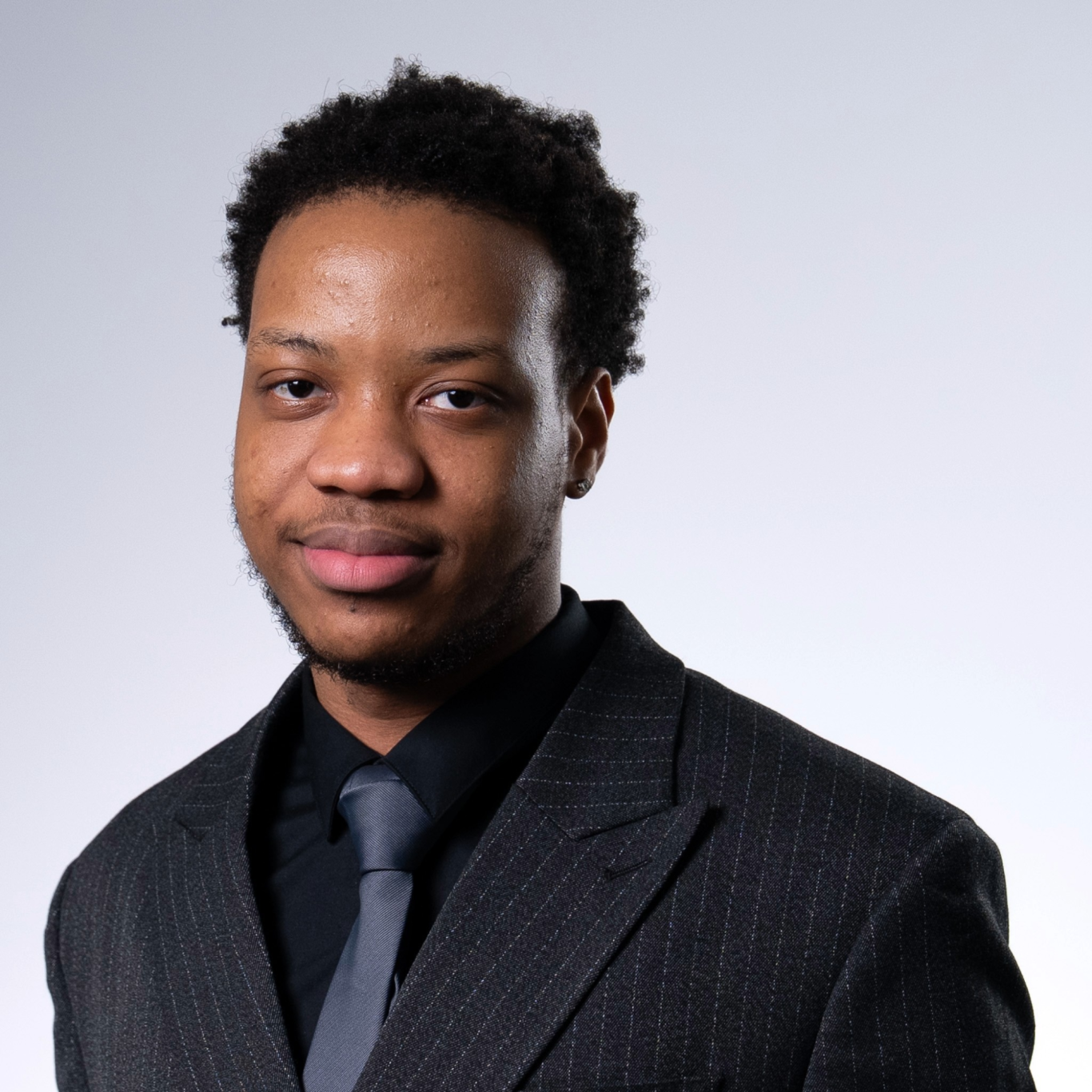
Chimemeka Henry Onwuka | Founder of Oncoequity Global Health AI
To investigate and highlight disparities in cancer outcomes across different populations through data-driven research, analytical insight, and a commitment to global health equity.
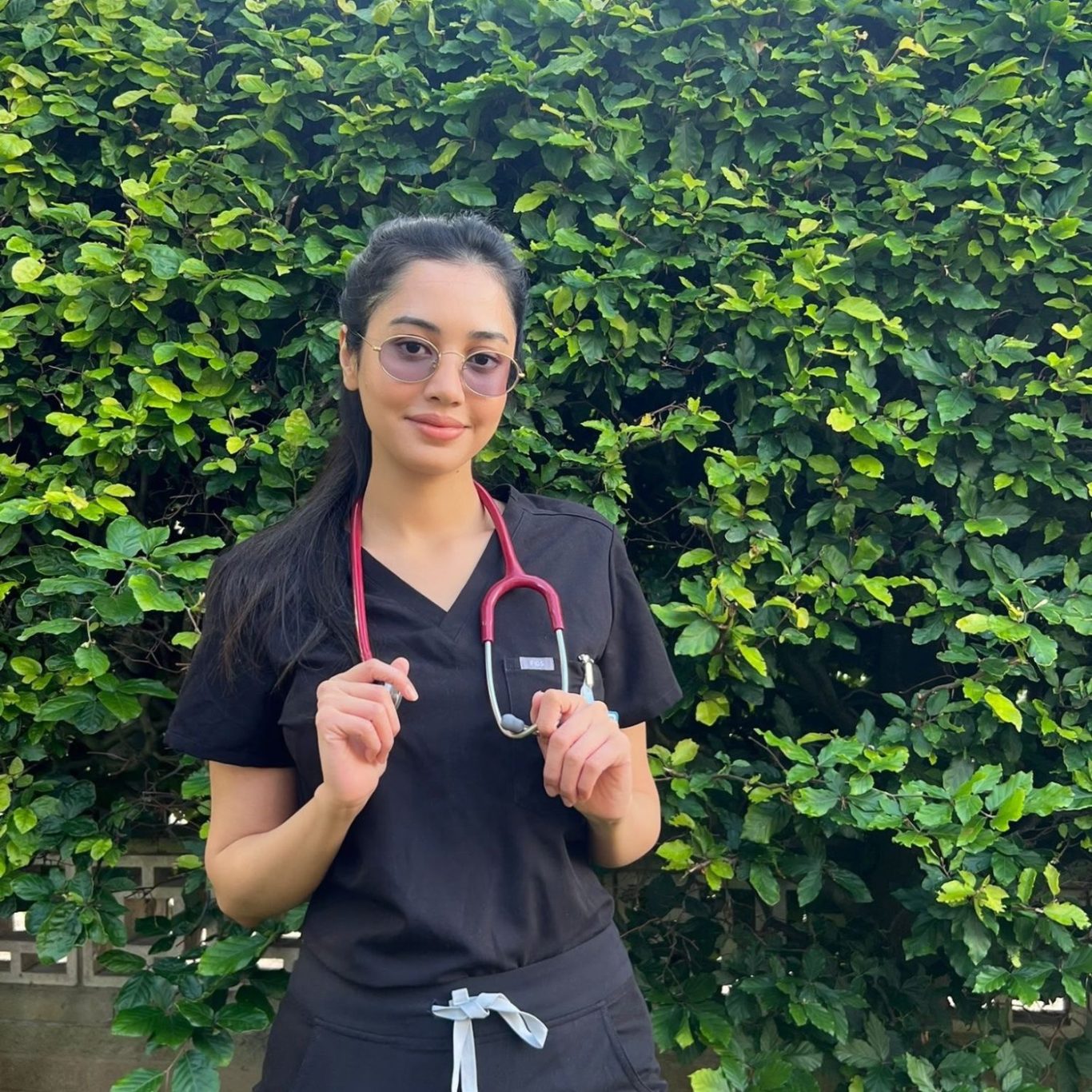
Dr Maha Yasin | Medical Doctor | Medical Research Associate
Maha is a newly qualified doctor with a passion for making sure cancer care reaches everyone equally.
She brings a clinical eye to OncoEquity’s AI-driven research, with a personal belief that early detection should never be a matter of postcode or privilege.
“Where you’re born should never determine whether your cancer is caught in time.”
Why Women’s Cancer Matters
Oncoequity
Breast cancer and other cancers affecting women continue to present major challenges for healthcare systems worldwide. While survival rates have improved in many regions, global disparities remain significant.
Research highlighted by the International Agency for Research on Cancer shows that differences in access to screening, diagnosis, and treatment contribute to unequal outcomes across populations.
Addressing these disparities requires better use of data, improved health system planning, and continued innovation in medical research and digital health technologies.
OncoEquity’s mission is to contribute to this effort by supporting data-driven insights that help improve understanding of these challenges and support more informed healthcare strategies.
Here for all